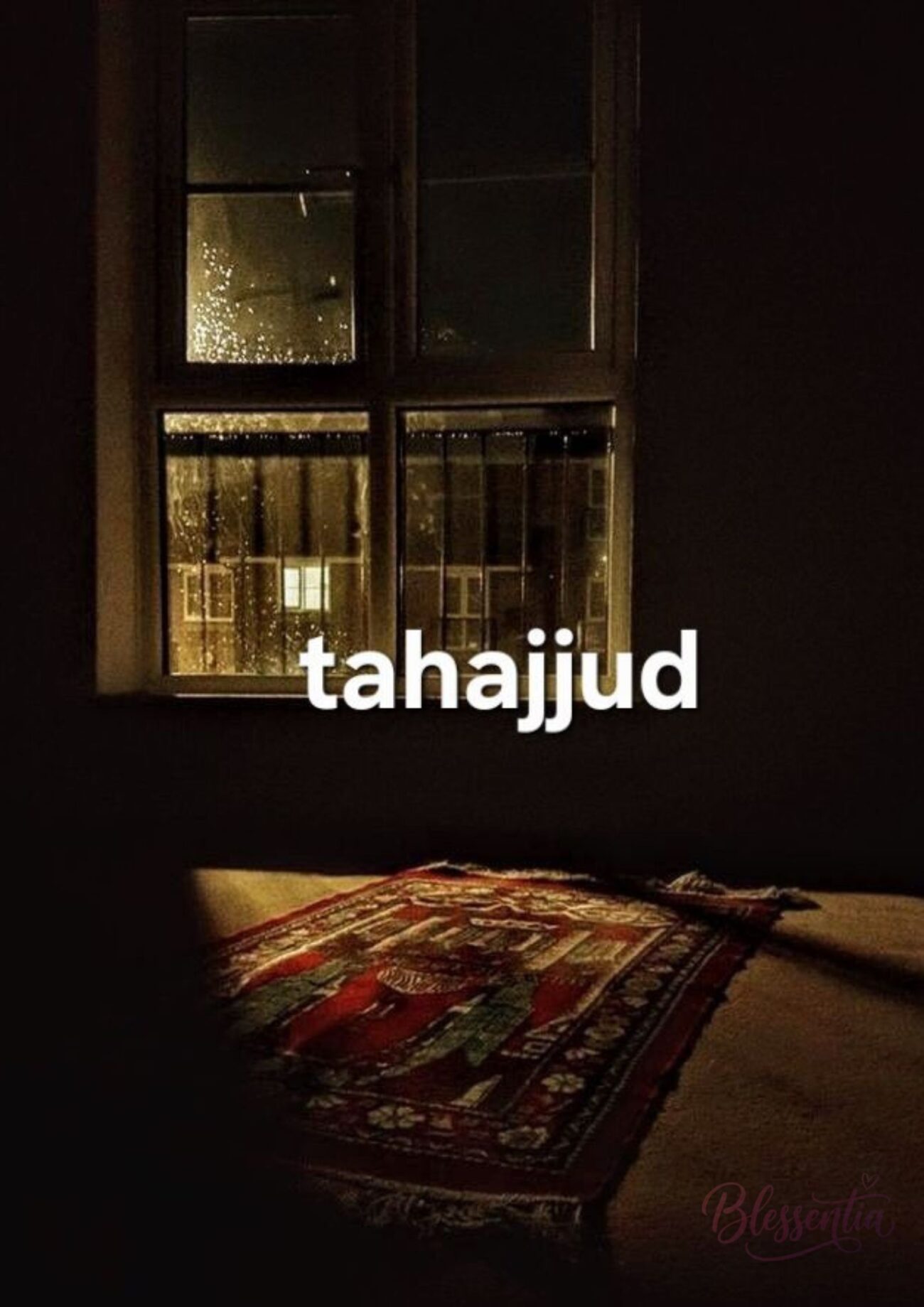
The beauty of Tahajjud prayer blessing lies in its ability to transform ordinary nights into moments of extraordinary mercy and reflection. When the world becomes quiet and distractions disappear, your heart finds space to reconnect with Allah and seek guidance with sincerity. This sacred practice, known as Tahajjud Salah, holds a special place within Night prayer in Islam because it combines devotion, patience, and trust.
Many believers wake during the Last third of the night to make heartfelt Tahajjud dua and experience the remarkable Spiritual benefits of Tahajjud, including peace, gratitude, hope, and renewed faith for the day ahead.
What Is Tahajjud Prayer in Islam?
Tahajjud Prayer is one of the most beloved forms of Night prayer in Islam. It is a special Nafl prayer performed during the night after sleeping and before the Fajr prayer arrives. Unlike obligatory prayers, this act of worship is voluntary, yet its rewards are extraordinary. Scholars describe Tahajjud Salah as one of the highest levels of devotion because it requires effort, discipline, and sincerity.
The beauty of Islamic night worship lies in its intimacy. During these quiet moments, your heart speaks without interruption. The Quran praises those who leave their beds to remember their Lord during the night. This highlights the Importance of Tahajjud and explains why it remains among the greatest Voluntary acts of worship in Islam.
What Is the Difference Between Tahajjud and Qiyam-ul-Layl?
Many Muslims use these terms interchangeably. However, there is a small difference that often creates confusion. Qiyam ul Layl refers to any worship performed between the Isha prayer and the Fajr prayer. This may include prayer, dua, remembrance, or reading the Quran.
Tahajjud Salah is more specific. It usually refers to prayer performed after sleeping and then waking up again for worship. Every Tahajjud namaz is considered Qiyam ul Layl, but not every Qiyam ul Layl becomes Tahajjud. This distinction helps you understand the deeper meaning of Worship after sleep.
| Comparison | Tahajjud Prayer | Qiyam ul Layl |
| Requires sleep before prayer | Usually yes | Not necessary |
| Main focus | Prayer | Any worship |
| Time period | Night after sleep | Entire night after Isha |
What Is the Best Time to Pray Tahajjud?
The Best time for Tahajjud is the Last third of the night. Islamic tradition teaches that this period carries exceptional blessings and mercy. During these hours, believers increase their prayers and supplications while seeking forgiveness and guidance from Allah SWT.
For Muslims living in America, prayer times change with the seasons. In winter, nights become longer and create more opportunities for worship. During summer, the night becomes shorter, yet even two units of prayer remain valuable. Whether you perform Tahajjud after Isha or Tahajjud before Fajr, sincerity remains more important than duration.

How Many Rakats Are in Tahajjud Prayer?
One of the most common questions is How many rakats in Tahajjud should be offered. Islamic scholars agree that two rakats form the minimum amount for this prayer. However, many believers perform four, six, or eight rakats depending on their strength and schedule.
The Prophet Muhammad ﷺ frequently prayed longer portions of the night with beautiful recitation and reflection. The number of Tahajjud rakats matters less than devotion and consistency. Small deeds performed regularly often carry greater value than large deeds performed only occasionally.
How to Pray Tahajjud Salah Step by Step
The process of performing Tahajjud Prayer remains simple and accessible for beginners. First, you sleep after the Isha prayer and wake during the night with the intention of worshipping Allah SWT. After performing ablution, you stand in prayer and begin with two rakats.
The recommended method involves praying two rakats at a time before concluding with Witr prayer or Witr Salah. These Tahajjud prayer steps make the practice easy for new worshippers. The goal is not perfection but sincerity, humility, and regular effort.

What Surahs Should You Recite During Tahajjud?
Many people believe certain chapters are compulsory during Tahajjud Prayer, yet Islamic teachings provide flexibility. You may recite any verses from the Quran according to your ability and memorization. This makes the prayer accessible for converts, students, and busy families.
Some believers prefer shorter chapters while others choose longer passages for reflection. The night creates a peaceful atmosphere for Dhikr and Quran recitation and allows deeper concentration. The focus should remain on understanding the message rather than simply increasing the number of verses.
Benefits of Tahajjud Prayer in Islam
The Spiritual benefits of Tahajjud extend beyond worship alone. Many Muslims describe greater emotional balBenefits of Tahajjudance, stronger patience, and increased gratitude after establishing this habit. The prayer encourages Strengthening faith and develops a deeper sense of trust in Allah SWT.
Many believers turn to Tahajjud for difficult times, financial concerns, examinations, family issues, and uncertainty about the future. Others seek Tahajjud for marriage, Tahajjud for rizq, and Tahajjud for success. The night becomes a place where worries become prayers and prayers become hope.

Powerful Duas to Make During Tahajjud
The night remains one of the most beloved moments for supplication. Islamic teachings mention the immense virtue of Night supplication and the possibility of Dua acceptance during these hours. This encourages believers to ask without fear or hesitation.
Many worshippers make Tahajjud dua for guidance, health, family, and forgiveness. Others focus on Tahajjud for forgiveness and spend the final moments asking for mercy and protection. The doors of Seeking forgiveness from Allah remain open for every sincere heart.
Tahajjud Tips for Busy Mothers and Working Women
Life in modern America often feels fast and demanding. Many Busy Muslim women manage employment, education, caregiving, and household responsibilities at the same time. This can make it difficult to consistently Wake up for Tahajjud every night.
Starting with two short rakats often creates sustainable habits. Many Muslim mothers place their prayer mat nearby or set an alarm shortly before dawn. These simple actions support Consistency in worship and help transform occasional prayer into a lifelong routine.
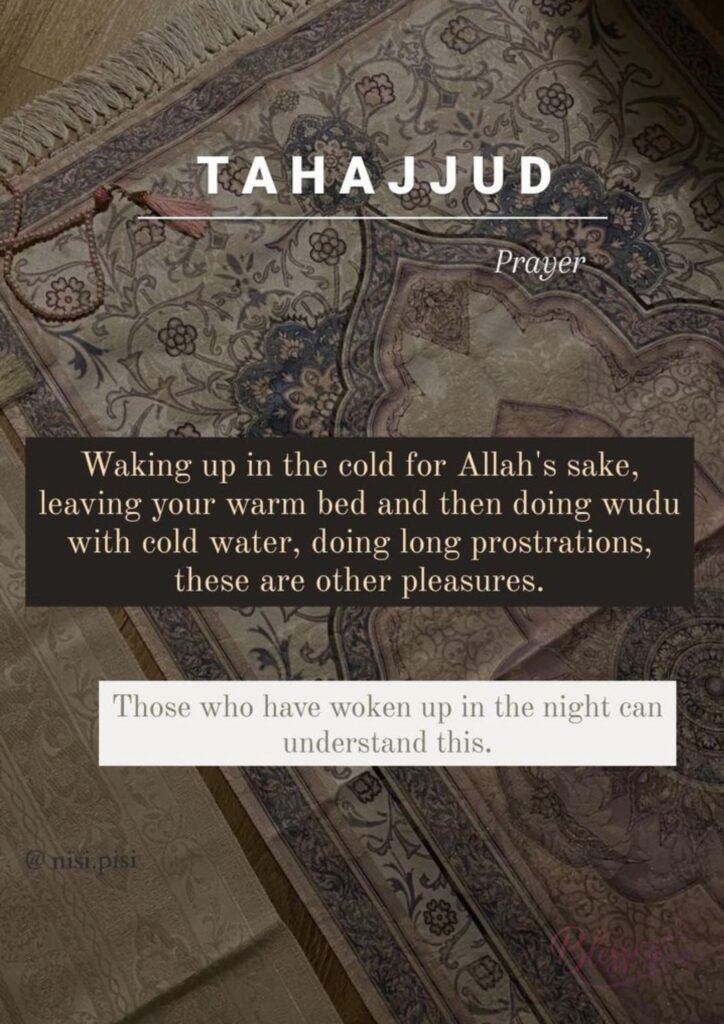
Tahajjud Prayer in the Sunnah of Prophet Muhammad ﷺ
The life of Prophet Muhammad ﷺ provides the perfect example of dedication to night worship. His companions described long periods of prayer filled with reflection and humility. This practice became known as Prophet Muhammad’s night prayer and remains an inspiration for Muslims around the world.
The Sunnah of the Prophet ﷺ teaches that worship does not require perfection. It requires sincerity and perseverance. Through Tahajjud in the Quran, prophetic traditions, and centuries of scholarship, Muslims continue to discover Closeness to Allah, Peace and tranquility, Barakah in life, and remarkable Spiritual growth through this beautiful prayer.
Conclusion
The journey of Tahajjud Prayer begins with a single step and often starts with only two rakats. The prayer creates opportunities for Answered prayers, deeper Islamic worship, and stronger connection with Allah SWT. Even small efforts made consistently can transform your relationship with faith.
Whether you seek comfort, direction, forgiveness, or gratitude, the quiet hours before dawn offer a gift unlike any other. Through Night worship in Ramadan, ordinary evenings, and moments of uncertainty, this prayer continues to illuminate hearts and strengthen the Islamic lifestyle of believers across the world.

Welcome to Blessentia I’ m Umme Habiba, an AI-Powered SEO, and content writer with 1 years of experience.I help websites rank higher, grow traffic, and look amazing. My goal is to make SEO and web design simple and effective for everyone. Let’s achieve more together!
