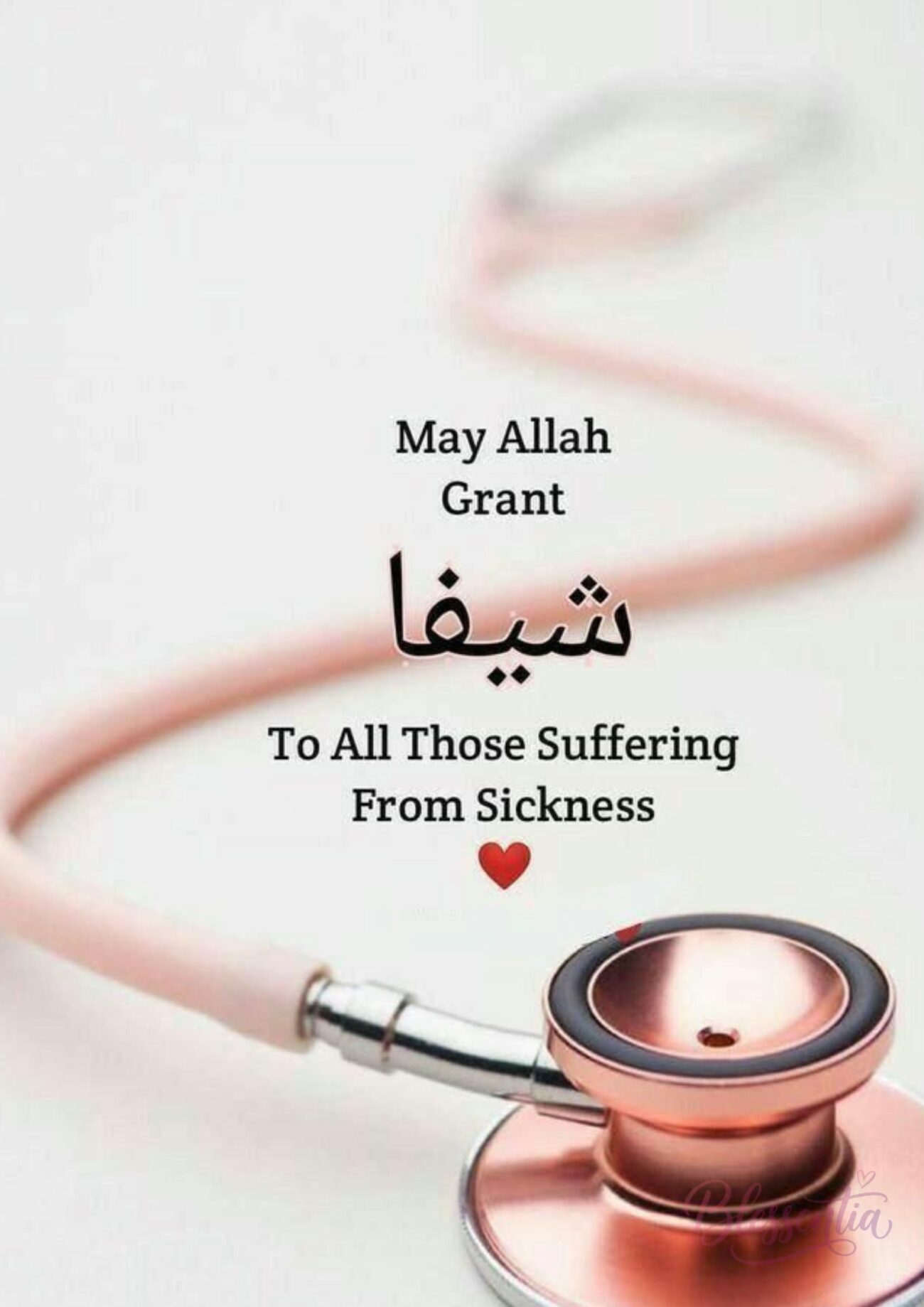
When illness enters your life, it can bring fear, uncertainty, and emotional exhaustion. During these moments, Islam encourages you to seek medical care while also turning your heart toward Allah through a sincere dua for a sick person. Muslims believe that Allah is Ash-Shafi, the One who grants healing beyond human ability or medicine alone. A heartfelt prayer can provide comfort, hope, and spiritual strength during recovery.
Whether you are making a Prayer for family member who is sick, supporting a loved one in hospital, or seeking healing for yourself, Islamic supplications for sickness remind you that Mercy of Allah during illness is always near.
What Does Islam Say About Illness and Healing?
Islam describes illness as a test, a purification, and sometimes a means of spiritual elevation. The Quran and authentic narrations repeatedly remind believers that hardship can remove sins and raise ranks. The concept of Blessings of illness in Islam teaches that suffering is never meaningless when faced with faith and patience. Through this understanding, believers develop resilience instead of despair.
The foundation of healing in Islam begins with recognizing that Allah is Ash-Shafi, meaning the One who cures completely and perfectly. Muslims believe that doctors treat symptoms while The Healer in Islam grants recovery according to divine wisdom. This understanding forms the basis of Spiritual healing in Islam, where faith and treatment walk side by side rather than in competition.
The Importance of Making Dua for a Sick Person
Making a dua for a sick person is one of the simplest acts of mercy you can offer another human being. A prayer costs nothing yet carries enormous value. Whether you pray for a child with a fever, a parent recovering from surgery, or a friend receiving treatment, your words become an act of compassion and worship.
Islam places great importance on praying for others even when they are absent. A sincere Prayer for family member who is sick strengthens emotional bonds and creates hope during difficult periods. The angels respond to these prayers with similar blessings for the person making them. This is one reason why Islamic supplications for sickness hold such a special place in Muslim life.

Best Dua for a Sick Person in Arabic, Transliteration, and English Translation
One of the most beloved prayers taught by Prophet Muhammad ﷺ is: اللَّهُمَّ رَبَّ النَّاسِ أَذْهِبِ الْبَأْسَ وَاشْفِ أَنْتَ الشَّافِي. The transliteration reads: Allahumma Rabb an-naas adhhib al-ba’s washfi anta ash-Shafi. Its meaning is: “O Allah, Lord of mankind, remove the suffering and grant healing, for You are the Healer.”
This beautiful dua for a sick person combines humility with certainty. It reminds believers that medicine works only by Allah’s permission. The supplication also introduces believers to Ash-Shafi (The Healer), one of the divine names that highlights Allah’s mercy, generosity, and compassion toward His creation.
Dua for Illness #1: Prayer for Physical Healing
The first famous healing supplication begins with placing the right hand on the area of pain and saying Bismillah three times. After that, the believer recites: “A’udhu bi’izzatillahi wa qudratihi min sharri ma ajidu wa uhadhiru.” This prayer seeks refuge in Allah’s power from present suffering and future harm.
This supplication is widely recognized as a powerful Dua for pain relief because it addresses both physical discomfort and emotional fear. Muslims often recite it during injuries, headaches, muscle pain, and recovery periods after treatment. It is also commonly used as a Dua before surgery or medical procedures.

Dua for Illness #2: Dua for Pain, Fever, and Weakness
Another well-known prayer says: “Allahumma Rabb an-naas adhhib al-ba’s washfi anta ash-Shafi la shifa’a illa shifa’uk shifa’an la yughadiru saqama.” This means: “O Allah, remove the illness and grant healing because no healing exists except Your healing.”
This prayer is frequently recited as a Dua for fever and pain, especially when symptoms cause exhaustion or weakness. Families often read it for children during flu season and for elderly relatives during recovery. Many Muslims in hospitals also recite it as a Dua for a hospitalized person seeking comfort and strength.
Dua for Illness #3: Prophet Muhammad’s (ﷺ) Healing Dua
Among the most famous Prophet Muhammad healing duas is the supplication: “As’alullah al-‘Azim Rabb al-‘Arsh al-‘Azim an yashfiyak.” It means: “I ask Allah, the Mighty, Lord of the Mighty Throne, to cure you.” Islamic tradition recommends repeating it seven times.
This short prayer carries remarkable spiritual depth despite its simplicity. It focuses entirely on Allah’s greatness and mercy rather than the severity of illness. Because of this, many Muslims recite it as a daily dua for a sick person during long recovery journeys or chronic health conditions.
Dua for Illness #4: Powerful Ruqyah Dua for Sickness
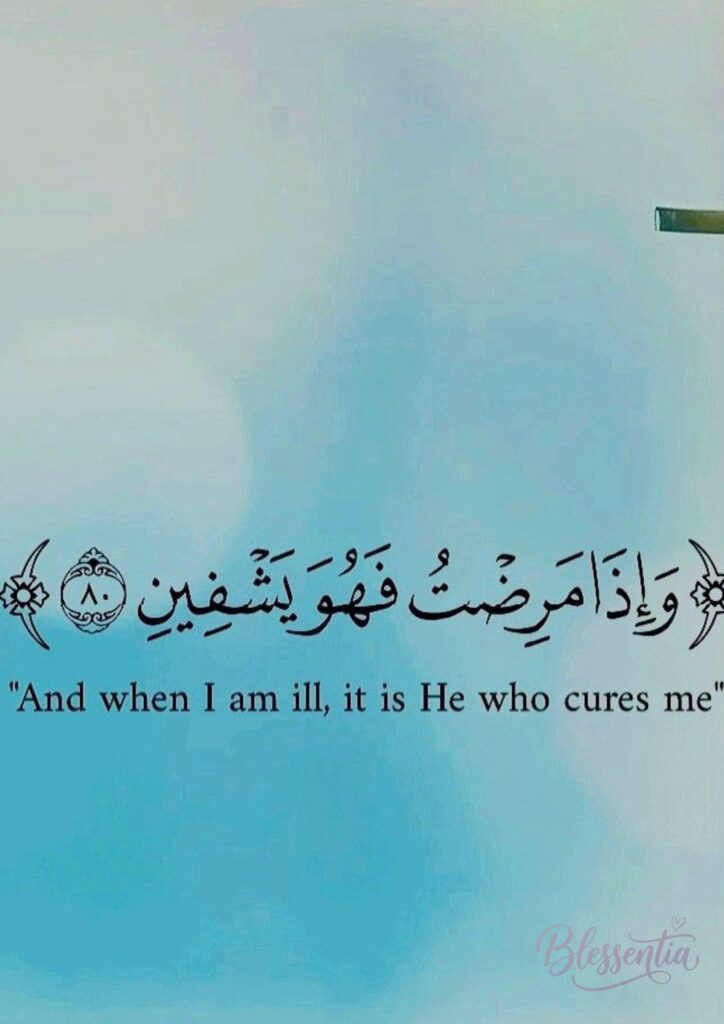
Islam recognizes the importance of Ruqyah for illness when performed according to authentic teachings. The correct approach is known as Ruqyah Shariah, which uses Quranic recitation and prophetic supplications rather than superstitious practices. This protects believers from harmful innovations and misinformation.
Many scholars recommend reading Surah Al-Falaq and Surah An-Nas regularly because these chapters seek protection from visible and unseen harm. They are frequently used against Hasad (envy) and the Evil eye in Islam. Such practices support the concept of Protection from disease while strengthening reliance upon Allah.
How to Make Dua for a Sick Person Correctly
Islamic scholars encourage believers to begin supplication by praising Allah and sending blessings upon Prophet Muhammad ﷺ. After this, a person asks sincerely for healing while maintaining hope and patience. Confidence in Allah’s wisdom plays an important role in the spiritual experience of prayer.
The believer should continue treatment while also engaging in Seeking cure from Allah through prayer and remembrance. Islam never asks people to abandon medicine. Instead, faith encourages balance between professional healthcare and spiritual devotion. This approach reflects the principles of Health and wellness in Islam.

Can You Make Dua for Someone Far Away?
Distance has never limited the power of prayer. A Muslim in New York can pray for relatives in California, London, or Karachi with the same sincerity and hope. A heartfelt dua for a sick person travels without passports, borders, or time zones.
Islamic teachings explain that angels say “Ameen” for those who pray sincerely for others in their absence. Because of this, many believers regularly make a Prayer for family member who is sick even when separated by continents. This practice became especially meaningful during global health crises and travel restrictions.
Additional Sunnah Practices for Healing and Recovery
The Sunnah includes several practices that support recovery and emotional wellbeing. Muslims often recite Surah Al-Baqarah, Surah Yaseen, and Surah Al-Waqi’ah while seeking peace and comfort. Scholars also encourage regular remembrance and Dhikr for healing as a source of spiritual stability.
Traditional prophetic practices mention Honey as a remedy and other aspects of Islamic medicine alongside proper healthcare. These methods should support professional treatment rather than replace it. Together, they represent the beautiful balance found within Sunnah remedies for sickness and holistic healing.
| Healing Practice | Purpose |
| Quran Recitation | Supports Healing through Quran |
| Medical Treatment | Supports physical recovery |
| Supplication | Encourages Acceptance of dua |
| Dhikr | Provides emotional calm |
| Honey | Traditional prophetic remedy |
Frequently Asked Questions
Many people ask whether a dua for medical treatment can be combined with medication and surgery. Islamic teachings answer clearly: yes. The Prophet encouraged treatment while also encouraging prayer. Faith and medicine are companions rather than rivals.
Another common question concerns long-term illnesses and unanswered prayers. Islam teaches the importance of Patience during sickness and trust in Allah’s wisdom. Believers are reminded of the Mercy of Allah during illness and the possibility that difficulties may become a means of spiritual purification and reward.
Conclusion:
Every illness carries uncertainty, yet every prayer carries hope. A sincere dua for a sick person allows believers to seek strength from the One who controls all outcomes. Healing may arrive quickly or gradually, but trust in Allah remains constant throughout the journey.
The stories of Prophet Ayyub (AS) remind believers that perseverance and faith can survive even the longest trials. Through prayers such as Ya Hayyu Ya Qayyum, believers continue asking for Mercy and cure from Allah while remembering that ultimate healing belongs to Allah SWT alone.

Welcome to Blessentia I’ m Umme Habiba, an AI-Powered SEO, and content writer with 1 years of experience.I help websites rank higher, grow traffic, and look amazing. My goal is to make SEO and web design simple and effective for everyone. Let’s achieve more together!
