The blessings of liberty are among the most valuable principles protected by the American constitutional system. They represent the freedoms and opportunities that allow people to live, speak, worship, and participate in society without unnecessary restrictions. Rooted in the preamble to the Constitution, this idea reflects the commitment to preserving constitutional liberty for both present and future generations.
The Founders believed that freedom was not a temporary privilege but a lasting inheritance that required protection through law and civic responsibility. Understanding the blessings of liberty definition helps explain why constitutional rights, the Bill of Rights, and the rule of law remain essential pillars of American life and democracy today
What Does “Secure the Blessings of Liberty” Mean?
The phrase secure the blessings of liberty meaning refers to protecting freedom so that every citizen can enjoy it safely and fairly. Liberty is not something that remains strong on its own. It requires laws, institutions, and public commitment. The Constitution established a framework that protects people from tyranny while allowing them to pursue their goals and aspirations.
At its core, the phrase reflects the idea that freedom must be preserved rather than assumed. The Founders understood that rights can disappear when governments become too powerful. Therefore, the Constitution created safeguards to defend constitutional liberty, individual rights, and rights and freedoms that citizens enjoy today.
Understanding the Preamble and Its Purpose
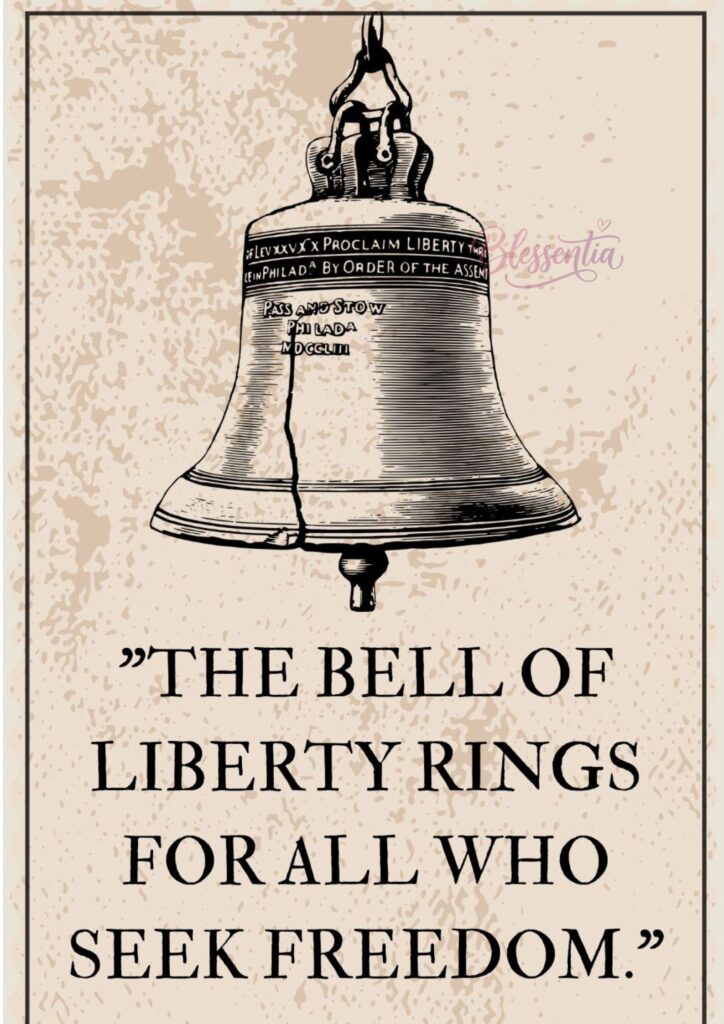
The preamble to the Constitution serves as an introduction to the United States Constitution. Although it does not create specific laws, it explains the goals behind the document. These goals include establishing justice, promoting peace, providing defense, and protecting liberty for the American people.
The Preamble acts like a roadmap for the entire constitutional government. Every article, amendment, and legal principle can be traced back to its objectives. It highlights the importance of constitutional principles, democratic values, and the belief that government exists to serve the people rather than control them.
| Goal of the Preamble | Purpose |
| Form a More Perfect Union | Strengthen national unity |
| Establish Justice | Create fairness under law |
| Ensure Domestic Tranquility | Maintain peace |
| Provide Common Defence | Protect the nation |
| Promote General Welfare | Improve public well-being |
| Secure the Blessings of Liberty | Protect freedom for all |
Where Does “Secure the Blessings of Liberty” Appear in the Constitution?
The phrase appears in the final section of the Preamble before the Constitution is formally established. Its placement is significant because it summarizes the ultimate purpose of the document. Every constitutional provision supports the larger mission of preserving freedom.
Many scholars consider this phrase one of the most personal statements in the Constitution. Unlike technical legal language, it speaks directly to ordinary citizens. It emphasizes freedom under the law, citizen rights, and the responsibility of government to protect liberty across generations
Historical Context Behind the Phrase
To understand the phrase fully, it helps to examine the challenges facing America in 1787. The young nation had recently gained independence from Britain. However, the government operating under the Articles of Confederation lacked the authority needed to solve economic and political problems.
During the Constitutional Convention, delegates sought a solution that balanced power and freedom. The experience of British rule convinced them that liberty required protection from excessive government authority. As a result, the Constitution established a stronger national government while preserving the principle of limited government.

Historical Timeline
| Year | Event |
| 1776 | Declaration of Independence |
| 1781 | Articles of Confederation Adopted |
| 1787 | Constitutional Convention Held |
| 1788 | Constitution Ratified |
| 1791 | Bill of Rights Added |
The Meaning of “Blessings of Liberty” Explained
The blessings of liberty definition extends beyond simple freedom. The Founders viewed liberty as a valuable gift that allowed people to think, worship, speak, and live without unnecessary interference. These freedoms create opportunities for growth, innovation, and personal achievement.
Today, the blessings of liberty include protections found throughout the Constitution. They encompass civil liberties, constitutional rights, and the ability to participate in American democracy. These freedoms influence everyday activities, from voting in elections to expressing opinions on public issues.
| Blessing of Liberty | Constitutional Protection |
| Free Speech | First Amendment |
| Religious Freedom | First Amendment |
| Fair Trial | Due Process Protections |
| Equal Treatment | Fourteenth Amendment |
| Voting Participation | Various Constitutional Amendments |
“To Ourselves and Our Posterity”: What It Really Means
One of the most powerful parts of the Preamble is the phrase “to ourselves and our posterity.” Understanding posterity meaning is essential because it reveals the long-term vision of the Constitution. Posterity refers to future generations who will inherit the nation and its freedoms.
The Founders recognized that liberty should not benefit only one generation. They sought to create a system capable of protecting freedom for future generations. This forward-looking approach explains why the Constitution includes amendment procedures that allow adaptation while preserving fundamental rights.
How the Government Secures the Blessings of Liberty

The Constitution protects liberty through a carefully designed system of checks and balances. Each branch of government holds distinct powers. This arrangement prevents excessive concentration of authority and helps preserve freedom.
The legislative branch creates laws, the executive branch enforces them, and the judicial branch interprets them. Through separation of powers, the Constitution ensures that no single institution dominates the political system. This structure remains one of the most effective protections for liberty ever created.
| Branch | Main Responsibility |
| Legislative | Makes laws |
| Executive | Enforces laws |
| Judicial | Interprets laws |
The Constitution also relies on judicial review. Courts can examine laws and government actions to determine whether they violate constitutional protections. This safeguard protects citizens from abuses of power and strengthens the rule of law.
How Constitutional Amendments Expanded Liberty Over Time
The Constitution’s greatest strength lies in its ability to evolve. The addition of the Bill of Rights provided explicit protections for personal freedoms. These amendments guaranteed rights that many Americans consider essential today.
Later amendments expanded liberty even further. The Fourteenth Amendment introduced stronger guarantees of equal protection and citizenship rights. Additional amendments strengthened voting rights, reduced discrimination, and broadened participation in democratic institutions.
Major Amendments Expanding Liberty
| Amendment | Contribution |
| Bill of Rights | Protected core freedoms |
| 13th Amendment | Ended slavery |
| 14th Amendment | Guaranteed equal protection |
| 15th Amendment | Expanded voting rights |
| 19th Amendment | Women’s suffrage |
These changes demonstrate that liberty in the United States continues to develop as society addresses new challenges and opportunities.
The Connection Between Liberty and Justice
The relationship between liberty and justice forms the foundation of the American legal system. Liberty without justice can create inequality. Justice without liberty can lead to oppression. The Constitution seeks to balance both values.
This balance appears throughout constitutional law. Courts strive to protect freedom while ensuring fairness. The principles of due process, fair trial, and equal treatment help create a society where liberty belongs to everyone rather than a privileged few.
A famous example involves the Civil Rights Movement. Efforts to secure civil rights demonstrated that genuine freedom requires equal access to opportunities and legal protections. Liberty becomes meaningful only when justice applies equally to all citizens.

Examples of Securing the Blessings of Liberty in Everyday Life
Many constitutional protections operate quietly in daily life. People often enjoy these freedoms without realizing their constitutional origins. Every time someone expresses an opinion, attends a religious service, or participates in an election, liberty is at work.
Consider a journalist investigating government actions. The protection of freedom of speech allows critical reporting without fear of punishment. Similarly, freedom of religion enables individuals to practice their beliefs openly while respecting the rights of others.
Everyday Examples of Liberty
| Activity | Constitutional Principle |
| Voting | Democratic Participation |
| Attending Worship | Religious Freedom |
| Peaceful Protest | Freedom of Speech |
| Jury Service | Civic Responsibility |
| Court Proceedings | Due Process |
These examples illustrate how constitutional protections shape ordinary experiences and strengthen representative government.
Why “Secure the Blessings of Liberty” Still Matters Today
The phrase remains relevant because new challenges constantly emerge. Technology, social media, cybersecurity, and privacy concerns create questions that the Founders could never have imagined. Yet the Constitution continues to provide guidance through enduring principles.
Debates about digital privacy, online expression, and government surveillance often center on preserving liberty while maintaining public safety. These discussions highlight the ongoing importance of preserving freedom, protecting constitutional protections, and maintaining the balance between security and individual rights.
Modern America continues to rely on the values expressed in the Preamble. The commitment to liberty influences public policy, court decisions, and civic life. It remains a cornerstone of the American political system and a reminder that freedom requires vigilance.
Frequently Asked Questions About Secure the Blessings of Liberty
What does secure the blessings of liberty mean in simple words?
It means protecting freedom so people can enjoy their rights safely and fairly.
What are the blessings of liberty?
They include freedoms such as speech, religion, participation in government, and protection under law.
What does posterity mean in the Preamble?
Posterity refers to future generations who will benefit from constitutional protections.
How does the Constitution protect liberty?
It uses checks and balances, constitutional limits, amendments, and independent courts.
Why is liberty important in American democracy?
Liberty allows citizens to participate freely in public life while protecting personal rights from abuse.
Conclusion
The secure the blessings of liberty meaning represents far more than a historical phrase. It captures the central promise of the Constitution. The Founders built a system designed to protect freedom while preventing tyranny. Through the Bill of Rights, constitutional framework, federal government, and enduring legal principles, that promise continues today.
Understanding the secure the blessings of liberty meaning provides valuable insight into American history and government. It also highlights a continuing responsibility. Freedom survives when citizens value it, protect it, and pass it forward. The Constitution remains a powerful reminder that liberty is both a privilege and a shared duty that must endure for generations to come.

Welcome to Blessentia I’ m Umme Habiba, an AI-Powered SEO, and content writer with 1 years of experience.I help websites rank higher, grow traffic, and look amazing. My goal is to make SEO and web design simple and effective for everyone. Let’s achieve more together!
